Temel varsayım basittir: ne kadar çok şey sunulursa, ortam o kadar değerli hale gelir. Gökçe Gemile Private Bay’de bu varsayım bilinçli olarak tersine çevrilir.
Burada lüks, birikim yoluyla inşa edilmez. Azaltma yoluyla tanımlanır. Proje, dahil edilenlerle değil, bilinçli olarak dışarıda bırakılanlarla şekillenir. Bu ayrım ilk bakışta inceliklidir, ancak mekânın nasıl deneyimlendiğini, anlaşıldığını ve nihayetinde nasıl konumlandırıldığını temelden değiştirir.
Bu yaklaşımı anlamak için geleneksel konaklama mantığından uzaklaşmak ve bunun yerine mekânsal tasarım, coğrafya ve kontrollü yokluğu değerin ana belirleyicileri olarak ele almak gerekir.
Eklemeye Dayalı Lüksün Sınırları
Geleneksel lüks projeler, görünür bolluk çerçevesinde çalışır. Büyük havuzlar, birden fazla restoran, ortak sosyal alanlar, kürate edilmiş aktiviteler ve katmanlı hizmetler, zenginlik hissi yaratmak için tasarlanır. Birçok bağlamda etkili olsa da, bu model çoğu zaman istenmeyen bir sonucu beraberinde getirir: yoğunluk.
Daha fazla unsur eklendikçe, bunları sürdürebilmek için daha fazla insana ihtiyaç duyulur. Sisteme daha fazla insan dahil oldukça, alan paylaşılır hale gelir, hareket yapılandırılır ve mahremiyet koşullu hale gelir. Lüks olarak başlayan şey, giderek yönetilen bir deneyime dönüşür.
Bu durum özellikle arazinin sınırlı, talebin yüksek olduğu kıyı bölgelerinde daha belirgindir. Kapasiteyi maksimize etmek öncelik haline gelir ve mekânsal ayrışma, erişilebilirlik ve verimlilik lehine azalır. Sonuç olarak ortaya aktif, sosyal ve hizmet odaklı, ancak nadiren sessiz veya bağımsız bir lüks anlayışı çıkar.
Bu modeller arasındaki fark, Lüks Villa ile Lüks Malikane Arasındaki Fark başlıklı içerikte daha net görülür; burada mekân, özellikleri barındıran bir kap değil, başlı başına ana varlık olarak ele alınır.
Tasarım Stratejisi Olarak Çıkarma
Gökçe Gemile Private Bay’de çıkarma bir kısıt değil, bir yöntemdir. Her karar, deneyimin bütünlüğünü bozmadan neyin çıkarılabileceği sorusuyla yönlendirilir.
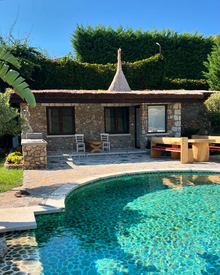
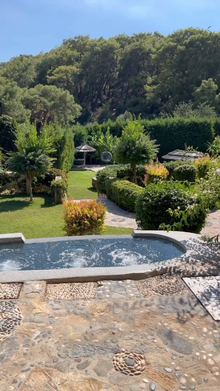
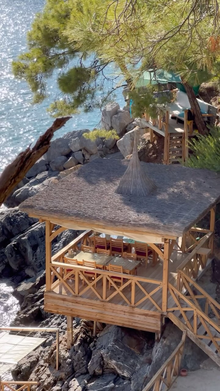
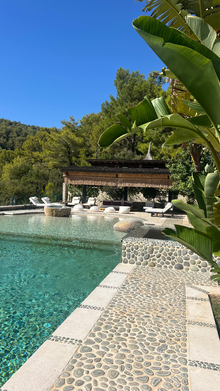
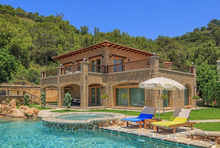
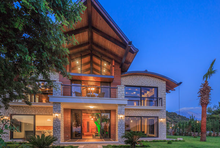
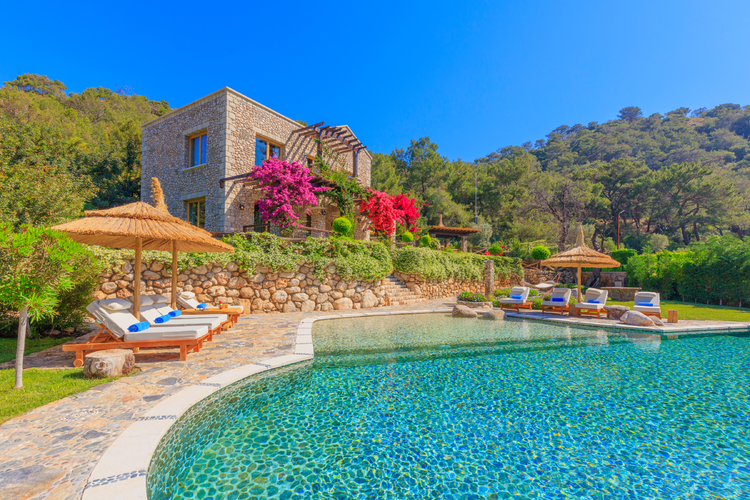
Bu yaklaşım, ortak alanların yokluğuyla başlar. Ortak havuzlar, halka açık tesisler veya merkezi sosyal alanlar yoktur. Her villa, yarımada boyunca konumlandırılmış bağımsız bir yaşam alanı olarak çalışır ve aralarındaki mesafe korunur.
Gereksiz dolaşımın olmamasıyla devam eder. Proje genelinde hareket minimum ve bilinçlidir. Yollar, erişim noktaları ve bağlantılar, bir etkileşim ağı oluşturmak yerine bireysel konutlara hizmet edecek şekilde tasarlanır.
Programlanmış aktivitelerin yokluğu bile bir rol oynar. Proje, kimliğini tanımlamak için kurgulanmış deneyimlere dayanmaz. Bunun yerine yarımadanın doğal koşullarının günlük yaşamın ritmini belirlemesine izin verir.
Bu yaklaşım, Yoğunluk Değil Mesafe İçin Tasarlanmış Mimari başlıklı içerikte anlatılan ilkelerle yakından örtüşür; burada mekânın değeri, nasıl kullanıldığının sınırlandırılmasıyla korunur.
Birincil Çerçeve Olarak Coğrafya
Tek başına çıkarma yeterli değildir. Coğrafya tarafından desteklenmelidir. Gökçe Gemile’de yarımada yalnızca bir arka plan değildir; bu modeli mümkün kılan yapıdır.
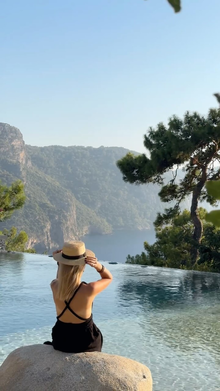
Birden fazla yönden denizle çevrili olan bu kara parçası, erişimi doğal olarak sınırlar ve sınırları tanımlar. Bu durum, mahremiyetin tasarım müdahaleleriyle sağlanmasına gerek bırakmaz. Mahremiyet, doğrudan çevrenin bir sonucu olarak var olur.
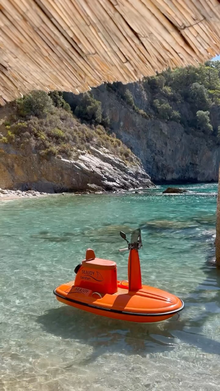
Özel koy, bu ayrışmayı daha da güçlendirir. Halka açık bir kıyı şeridi veya dışarıdan giriş noktası olmadığı için kıyı, paylaşılan bir sınır olmaktan çıkar ve projenin bir parçası haline gelir. Bu da kara ile deniz arasındaki ilişkiyi daha kontrollü ve bütüncül bir yapıya dönüştürür.
Ada Olmadan Özel Ada Hissi Nasıl Yaratılır başlıklı içerikte ele alındığı gibi, izolasyon ve erişilebilirliğin bu birleşimi, yalnızca tasarımla kopyalanamayacak nadir bir mekânsal durum yaratır.
Sessizlik ve Mesafenin Rolü
Bu çıkarma yaklaşımının en doğrudan sonuçlarından biri sessizliktir. Soyut bir kavram olarak değil, mesafe tarafından oluşturulan ölçülebilir bir durum olarak.
Yapılar ayrıldığında ses aynı şekilde yayılmaz. Dolaşım sınırlı olduğunda hareket birikmez. Ortak alanlar olmadığında aktiviteler çakışmaz. Sonuç olarak sessizliğin belirleyici bir özellik haline geldiği bir ortam oluşur.
Mesafe de benzer şekilde çalışır. Bu yalnızca yapılar arasındaki fiziksel boşluk değil, görsel ve sosyal etkileşimin yokluğudur. Her villa, doğrudan görüş hatlarından kaçınacak şekilde konumlandırılmıştır; böylece başkalarının varlığı, fiziksel bariyerlere ihtiyaç duyulmadan minimuma indirilir.
Sessizlik, mesafe ve mekânsal bağımsızlık arasındaki bu ilişki, Likya Kıyısında İzole Bir Yarımada başlıklı içerikte de merkezî bir rol oynar; burada coğrafya ve tasarım birleşerek kontrollü bir çevre oluşturur.
Deneyim Kavramını Yeniden Çerçevelemek
Çoğu lüks bağlamında deneyim, aktif olarak sunulan bir şeydir. Programlanır, kürate edilir ve çoğu zaman planlanır. Gökçe Gemile’de ise deneyim, dayatılan bir unsur olmaktan çıkıp koşullardan doğan bir olgu olarak yeniden tanımlanır.
Önceden belirlenmiş programlar, yapılandırılmış aktiviteler veya katılım beklentileri yoktur. Bunun yerine ortam, bireylerin kendi ritimlerini tanımlayabilecekleri bir çerçeve sunar.
Bu değişim, mimarinin rolünü de dönüştürür. Etkileşimi teşvik etmek yerine bağımsızlığı korur. Hareketi yönlendirmek yerine durağanlığa izin verir. Çeşitlilik sunmak yerine tutarlılığı sürdürür.
Bu ayrımı anlamak, Özel Koy Konseptini Anlamak (Gökçe Gemile Neden Bir Otel Değildir) başlıklı içerikte ortaya konan yaklaşımı yorumlamak için kritiktir; burada geleneksel konaklama unsurlarının yokluğu bir eksiklik değil, bilinçli bir tercihtir.
Görünür Olmadan Çevresel Kontrol
Çıkarmanın bir diğer boyutu, görünür kontrol sistemlerinin ortadan kaldırılmasıdır. Birçok projede mahremiyet ve ayrıcalık, kapılar, güvenlik altyapısı ve operasyonel denetimle sağlanır. Bu unsurlar etkili olsa da, yönetilen bir mekân hissi yaratır.
Gökçe Gemile’de kontrol, coğrafya ve yerleşim planının içine gömülüdür. Yarımada giriş noktalarını sınırlar. Villaların dağılımı etkileşimi azaltır. Özel koy dış erişimi ortadan kaldırır.
Sonuç olarak kontrol görünür olmadan var olur. Bir sistem olarak değil, bir durum olarak deneyimlenir. Bu incelik, projenin genelinde hissedilen sakinlik ve bağımsızlık duygusuna katkı sağlar.
Yokluğu Anlatmanın Dijital Zorluğu
Bu modeli anlatmak benzersiz bir zorluk sunar. Dijital platformlar doğası gereği görsel ve özellik odaklıdır. Var olanı sergilemek için tasarlanmıştır, yok olanı değil.
Gökçe Gemile için mesele, özellikleri büyütmek değil, kavramları netleştirmektir. Ortak alanların yokluğunun, yoğunluğun olmamasının ve geleneksel konaklama unsurlarının çıkarılmasının birer kısıt değil, tanımlayıcı nitelikler olduğunu açıklamaktır.
Bu da farklı bir anlatım yaklaşımı gerektirir. İkna yerine netliği, gösteriş yerine yapıyı önceliklendiren bir yaklaşım. Amaç bollukla çekmek değil, açıklıkla karşılık bulmaktır.
Sonuç
Gökçe Gemile Private Bay, lüksün nasıl tanımlanabileceğine dair bir değişimi temsil eder. Eklenenlere değil, çıkarılanlara odaklanarak; sessiz, kontrollü ve mekânsal olarak yönlendirilen bir değer anlayışı oluşturur.
Bu, ölçek veya görünürlük üzerine kurulu bir model değildir. Mesafe, sessizlik ve bağımsızlık için tasarlanmıştır. Bu unsurların her biri, ekleme ile değil, bilinçli çıkarma ile güçlendirilir.
Bu bağlamda lüks artık daha fazlasını sunmakla ilgili değildir. Gerekli olmayan her şeyi ortadan kaldırmak ve mekânın kendisinin ana deneyim haline gelmesine izin vermekle ilgilidir.