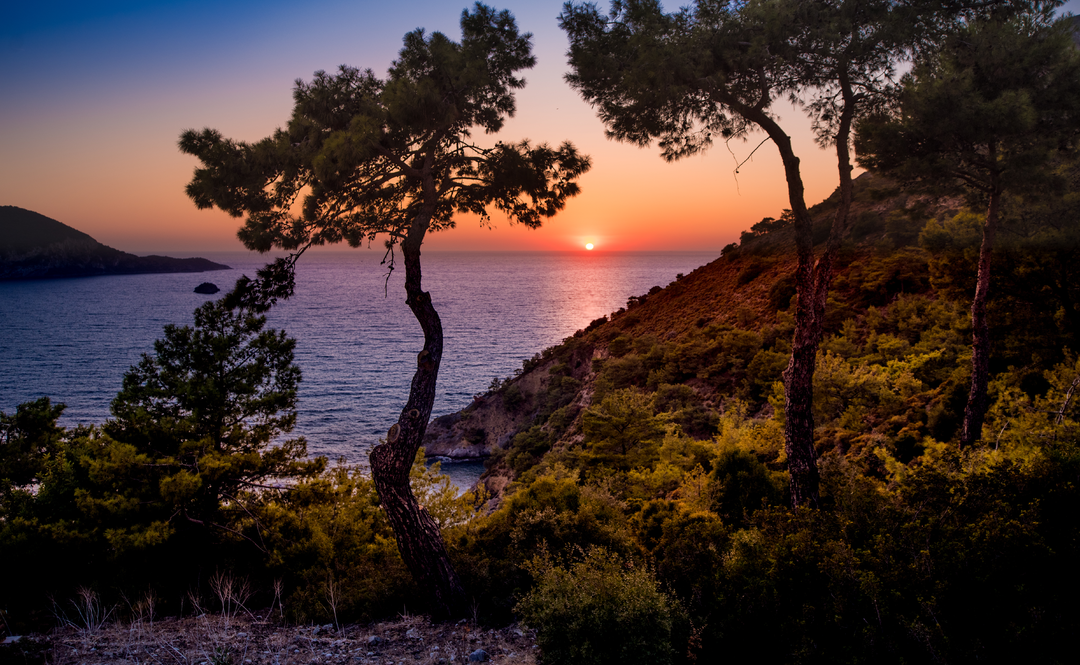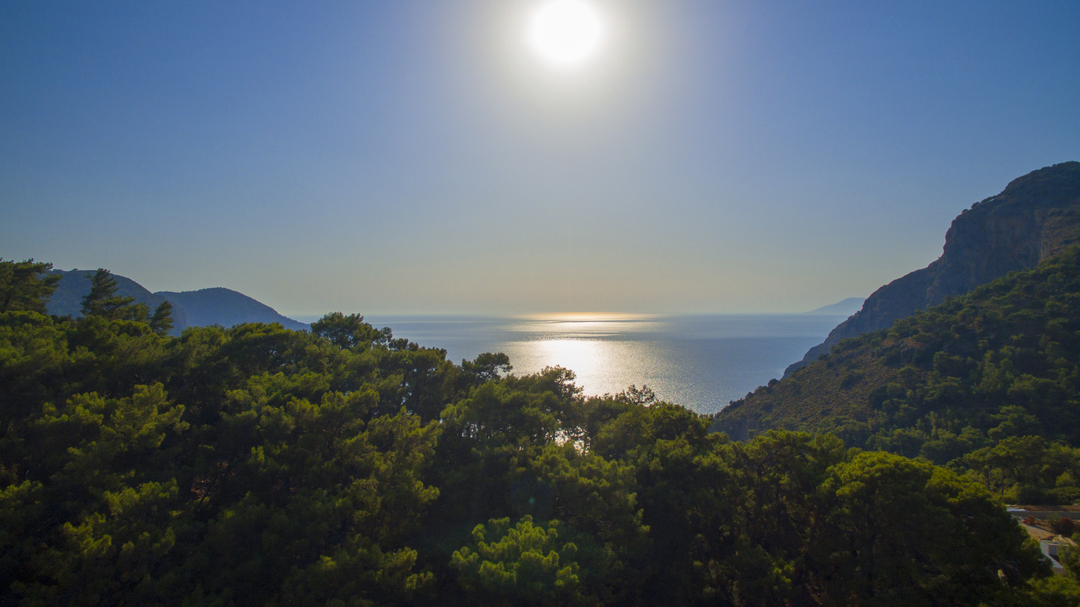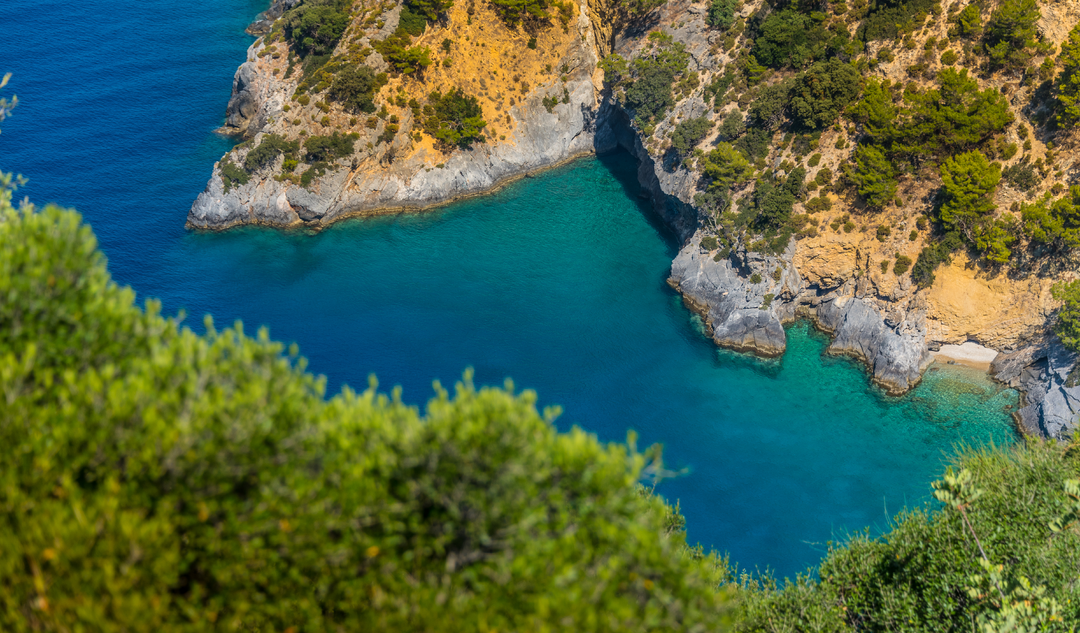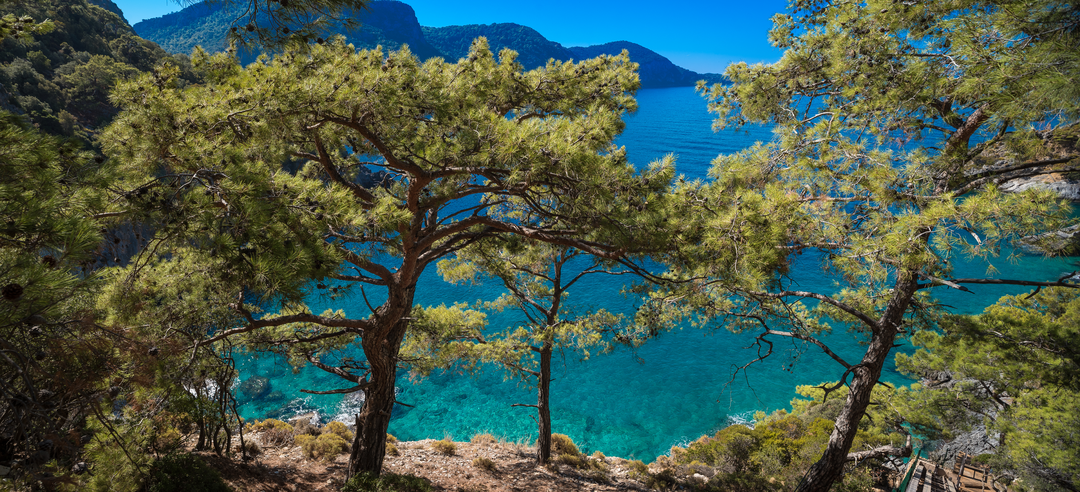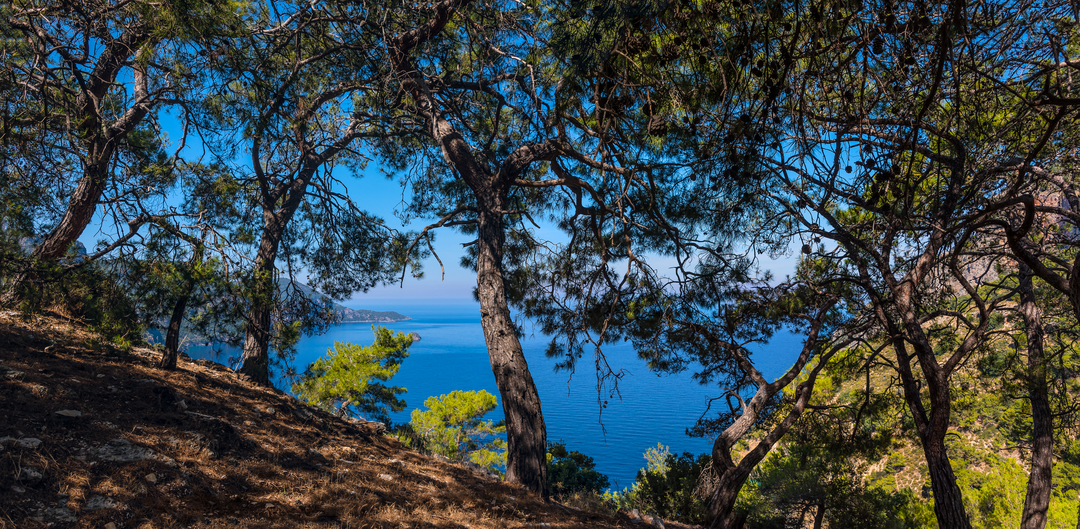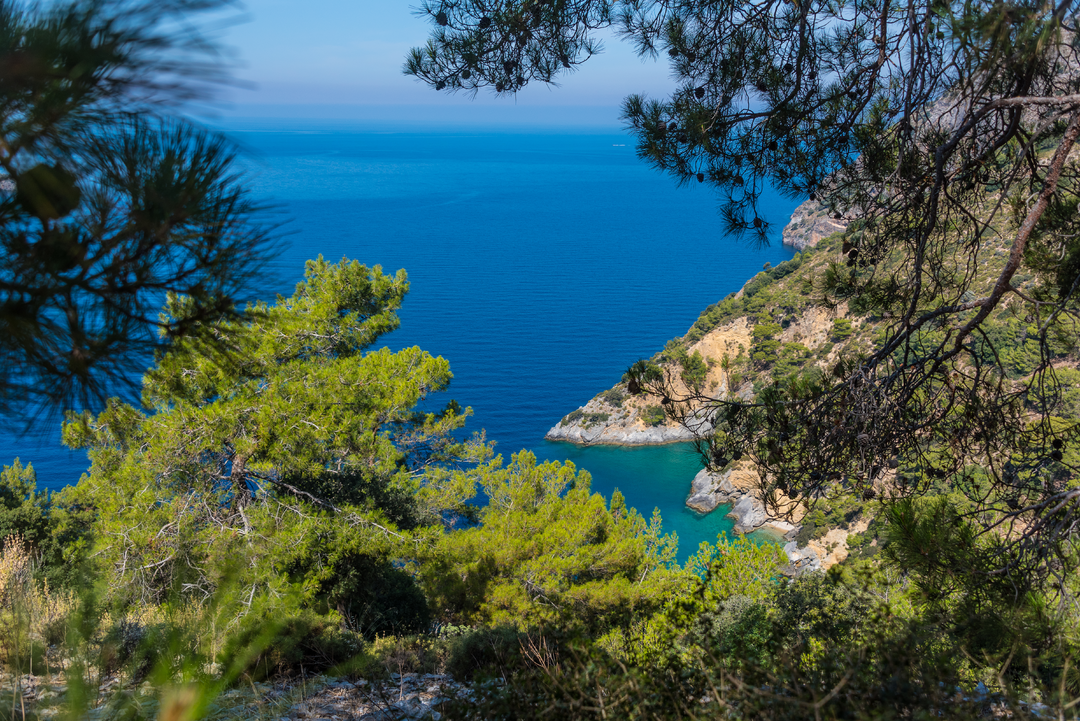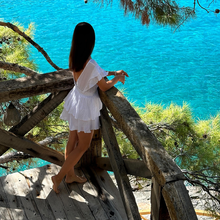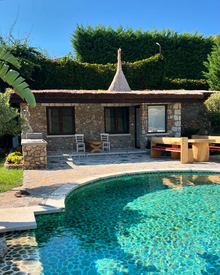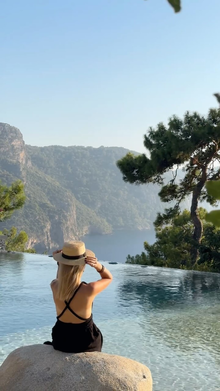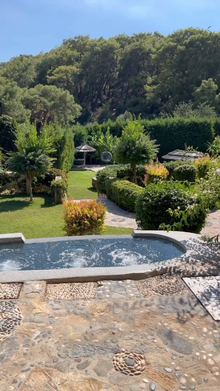
A living landscape where forest and sea meet in uninterrupted harmony.
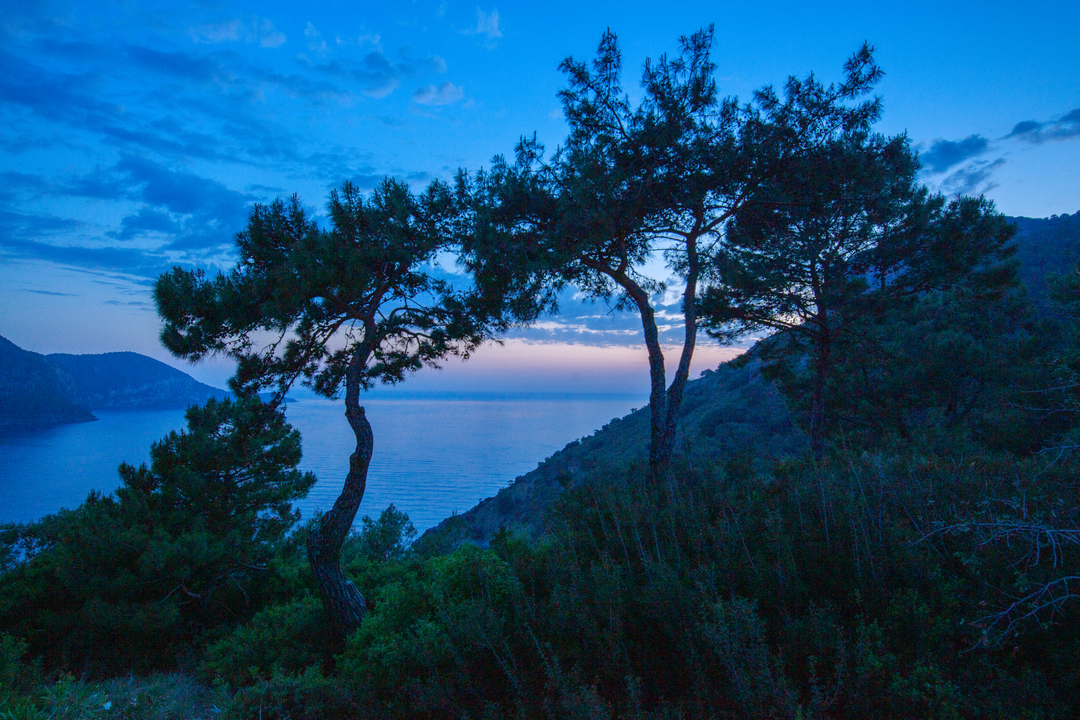
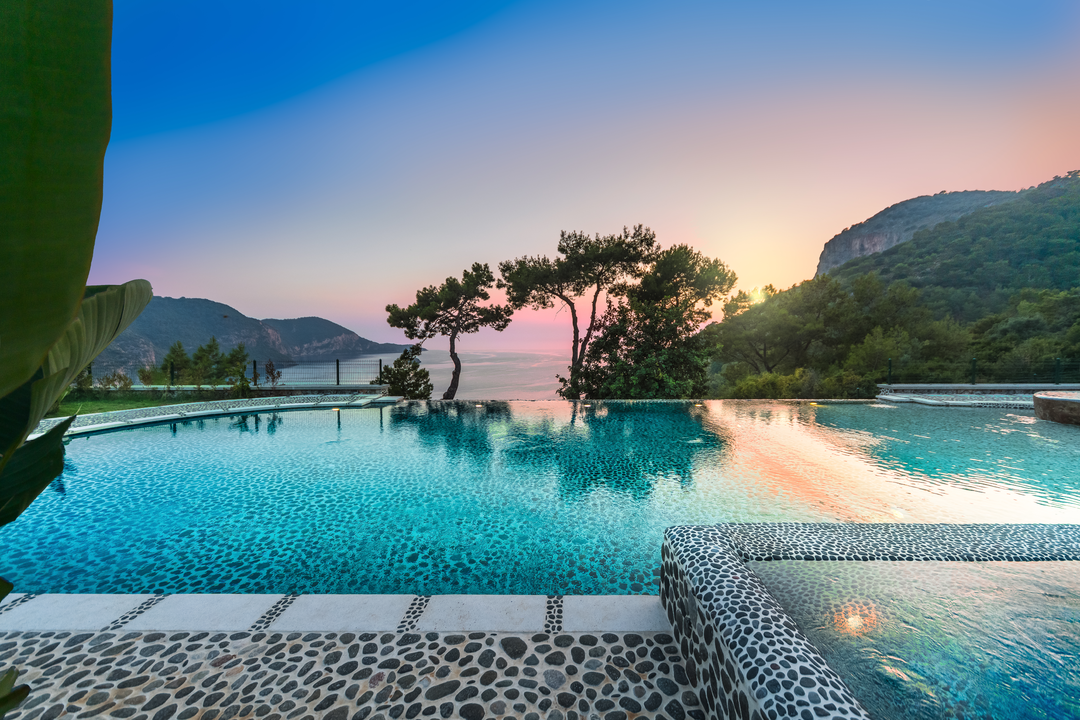
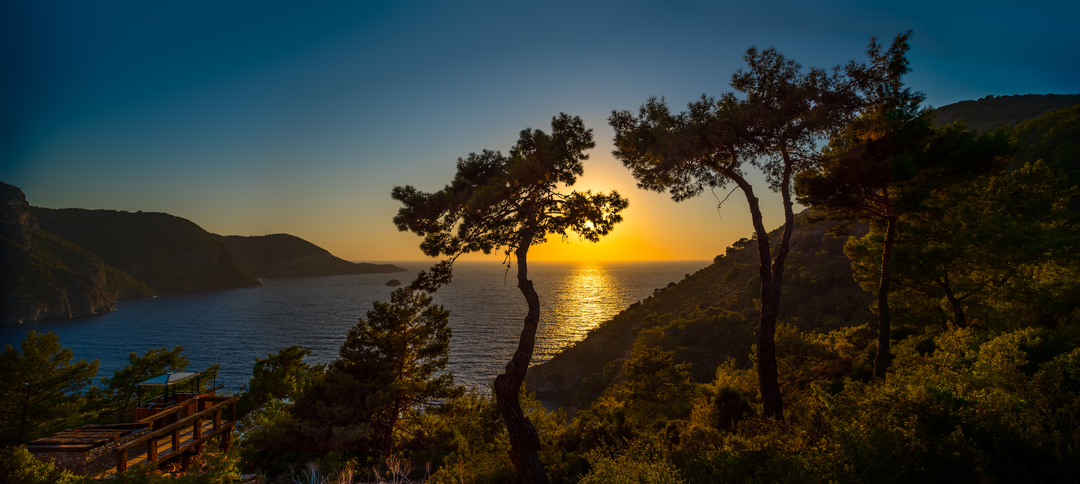
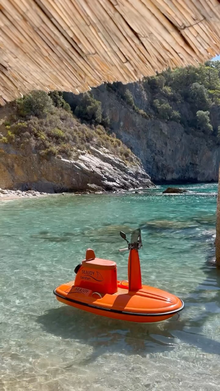
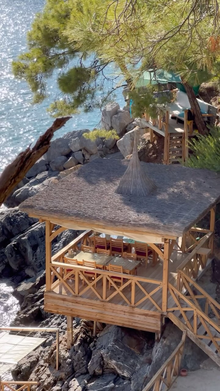
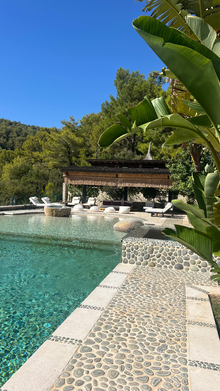
Gökçe Gemile is set within a living landscape where forest and sea meet without interruption. The private peninsula is surrounded by dense pine woodland, native maquis vegetation, and untouched coastal terrain that has remained largely undisturbed for generations. This natural enclosure creates not only visual beauty, but a rare ecological balance-one that defines the atmosphere of calm, privacy, and retreat felt throughout the estate.
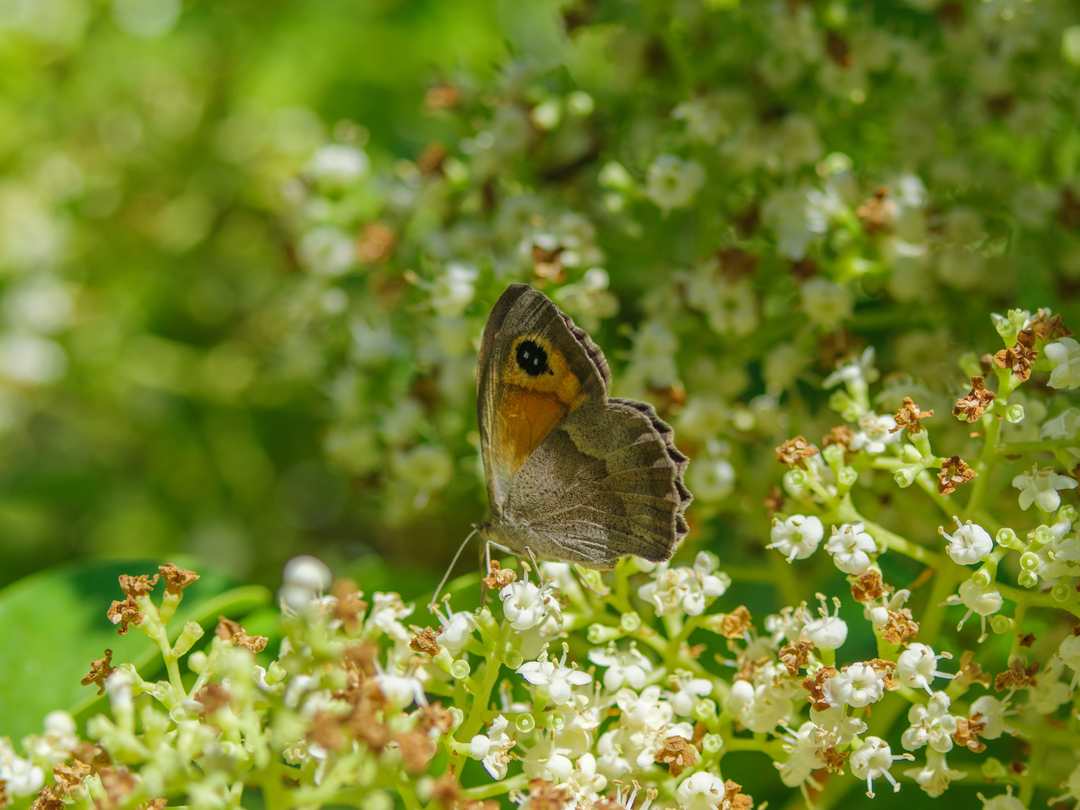
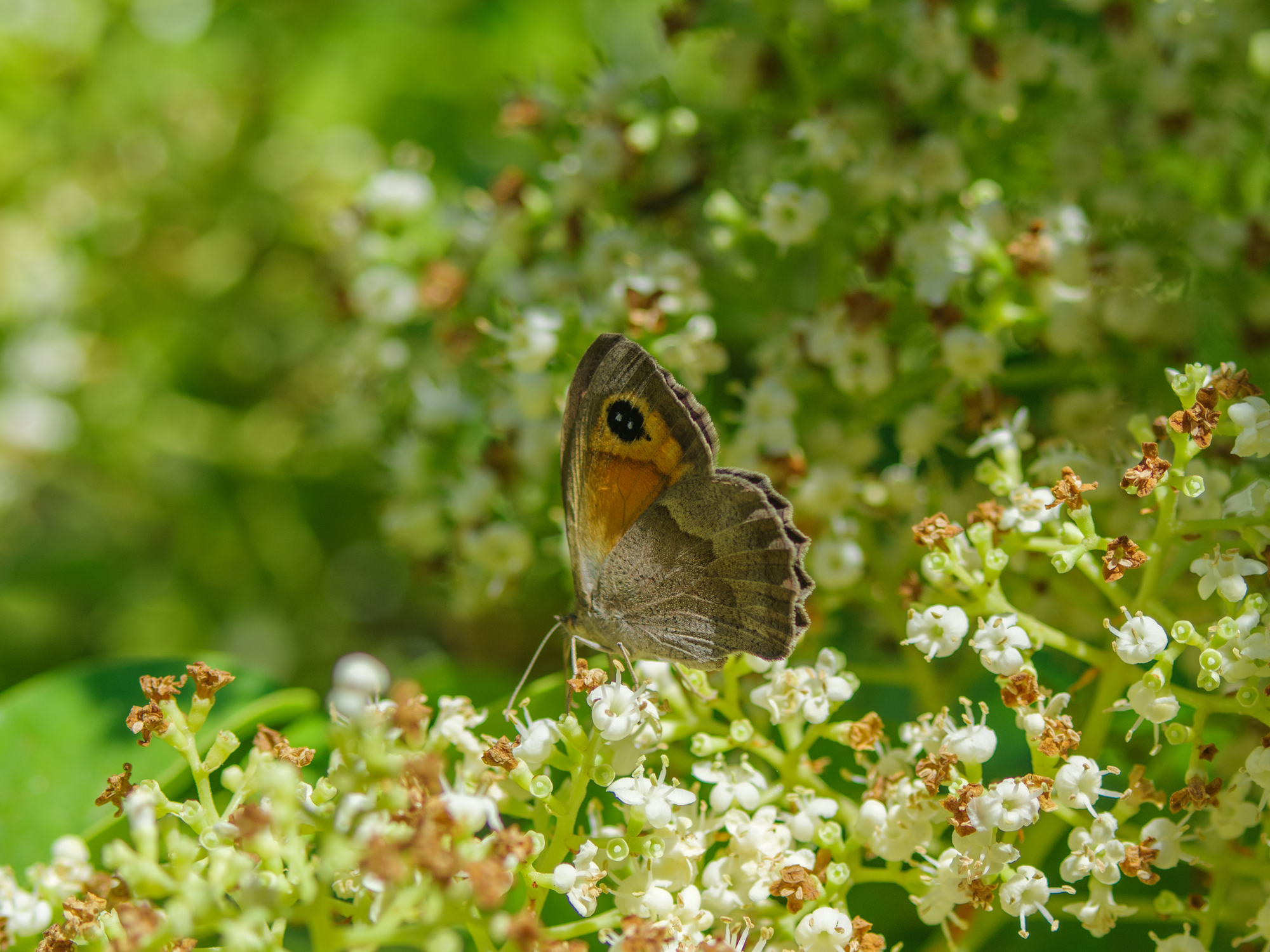
The land here is not landscaped for effect; it is preserved to remain as it has always been. Pine, juniper, carob, and wild olive trees shape the hillsides, while aromatic Mediterranean plants and seasonal wildflowers thrive along forest paths and natural clearings. Endemic species flourish naturally, guided by the rhythm of sun, wind, and sea air. The result is a landscape that feels authentic, grounded, and deeply connected to its surroundings.
This harmony between land and sea defines life at Gökçe Gemile. Mornings begin with birdsong drifting through the forest canopy; evenings settle into a profound silence, broken only by waves meeting stone. Nature here is not a backdrop, but a presence-encouraging slower movement, deeper breathing, and a renewed sense of connection to the natural world.
Gökçe Gemile is surrounded by maquis shrubland, carob trees, olive groves, rocky crags, and expansive pine forests. Within the Af Kule area and across the peninsula, 33 indigenous plant species have been recorded, including a rare species of snowdrop and a distinctive pink daisy found only in this region. The area is also one of only two locations in this part of the world where sweetgum (Liquidambar) trees grow naturally, reflecting the peninsula’s unique microclimate.
Representative flora found in the area include:
Additional botanical species recorded on the peninsula:
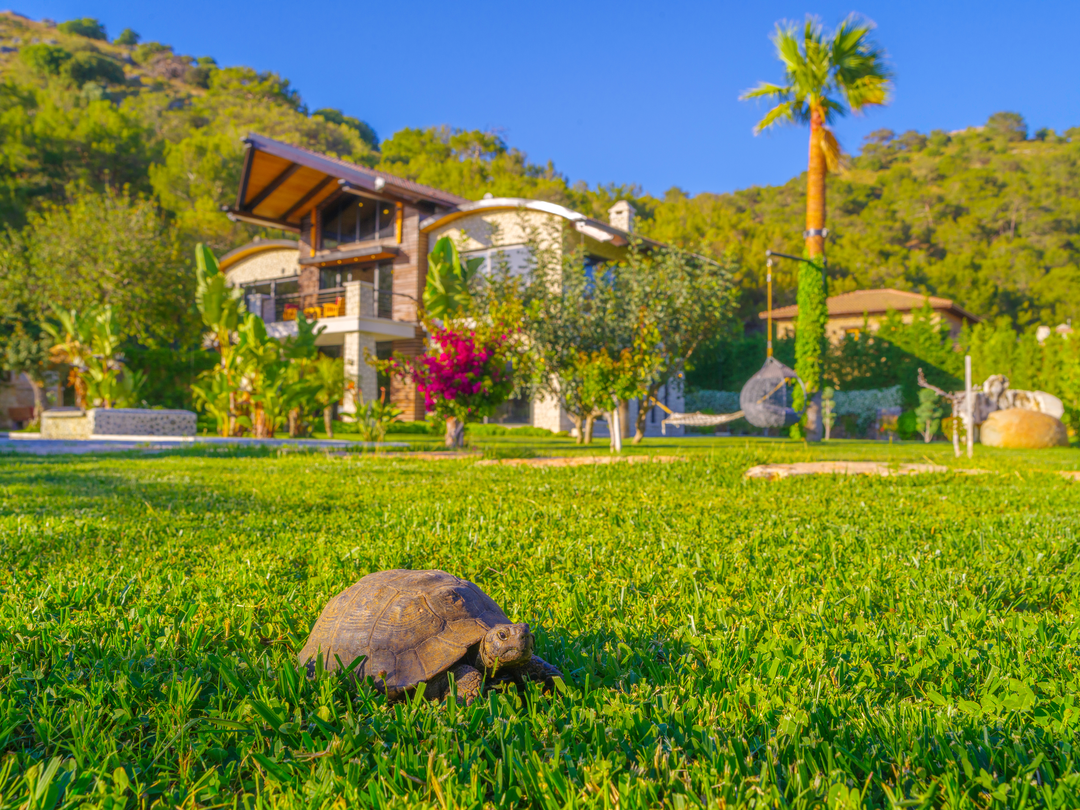
The peninsula lies along an important natural wildlife corridor, allowing animals to move freely between forest, hillside, and shoreline. This undisturbed environment enables wildlife to exist quietly and naturally, maintaining the ecological balance of the land.
Terrestrial wildlife observed in the area includes:
The clear, protected waters of Gökçe Gemile form a thriving marine ecosystem. Mediterranean monk seals regularly inhabit the sea caves and beaches throughout the season, while loggerhead sea turtles (Caretta caretta) are frequently encountered during swimming and snorkelling, often gliding calmly alongside guests. Beneath the surface, diverse fish species, groupers, and octopus thrive among rocky formations, with dolphins occasionally passing through the bay.
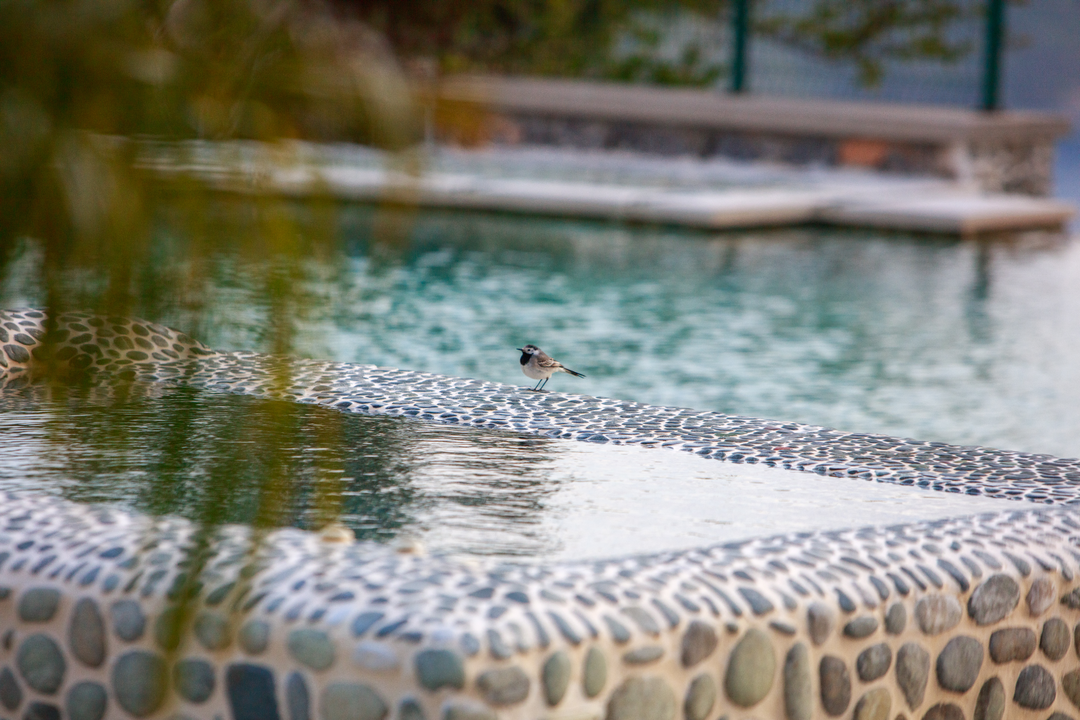
Gökçe Gemile also serves as an important resting point for migratory birds travelling between continents. Falcons, eagles, pelicans, and kestrels are observed at different times of the year, while owls, jays, and pigeons inhabit the forest year-round. The peninsula’s elevated position and protected forests make it a vital refuge within the Mediterranean migratory network.
Bird species observed include: