В большинстве случаев она рассматривается как то, что можно добавить на более позднем этапе с помощью архитектурных решений, операционного контроля или технологических систем. В Gökçe Gemile Private Bay такой подход не применяется.
Здесь приватность - не дополнение. Это отправная точка. Она заложена в географии, усилена пространственным планированием и сохранена через ограничения. Чтобы понять, почему настоящую приватность нельзя добавить позже, необходимо изменить восприятие: рассматривать её не как слой, а как структурное состояние.
Приватность как результат дизайна и как основа
Во многих проектах приватность рассматривается как вторичный элемент. После определения планировки, вместимости и инфраструктуры добавляются решения для создания разделения. Это могут быть стены, ландшафтные элементы, контролируемые точки доступа или операционные протоколы.
Хотя такие решения могут быть частично эффективными, они работают в рамках уже существующей плотности. Базовая структура остаётся неизменной. Люди находятся в близком расстоянии. Потоки движения пересекаются. Звук и видимость накладываются друг на друга. Приватность становится условной, а не естественной.
В Gökçe Gemile процесс обратный. Estate не проектируется сначала, чтобы затем добавить приватность. Он изначально определяется приватностью. Каждое архитектурное и пространственное решение следует этому базовому принципу.
Этот подход соответствует принципам, изложенным на странице Concept, где география и пространственный контроль ставятся выше программного дизайна.
Роль географии в постоянной приватности
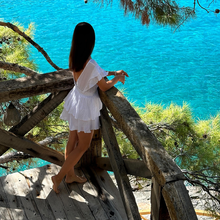
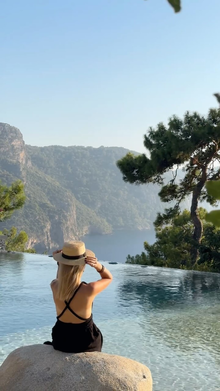
Настоящая приватность требует большего, чем просто дизайн. Она требует географии. Расположение Gökçe Gemile на уединённом полуострове на побережье Средиземного моря создаёт основу для этого состояния.
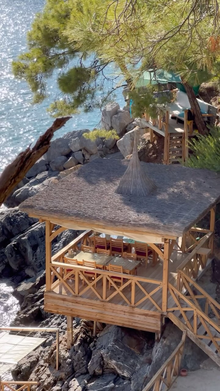
Окружённый водой с нескольких сторон, участок естественным образом отделён от окружающих территорий. Здесь нет внешних дорог, пересекающих землю, нет общественного доступа к береговой линии и нет случайного движения через территорию. Полуостров выступает как система границ, определяющая физические и визуальные пределы.
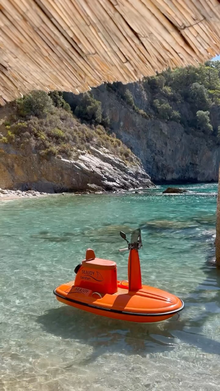
Эта географическая изоляция усиливается наличием частной бухты. Как описано на странице Beach & Waterfront, береговая линия не является общей зоной. Она полностью принадлежит estate.
В отличие от городских или полугородских проектов, где приватность создаётся вопреки плотности, в Gökçe Gemile она является исходным условием. Поэтому она не требует постоянного управления - она поддерживается самой средой.
Пространственное планирование без пересечений
Даже при благоприятной географии архитектурные решения могут нарушить приватность. Плотность, ориентация и близость напрямую влияют на восприятие пространства. В Gökçe Gemile пространственное планирование построено так, чтобы полностью исключить пересечения.
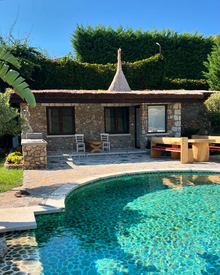
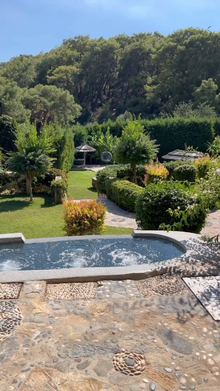
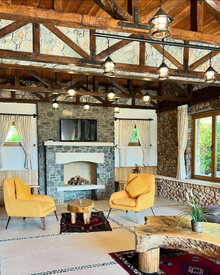
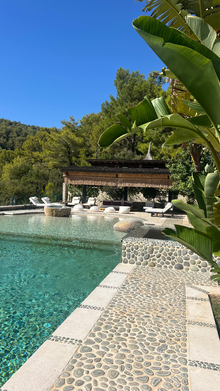
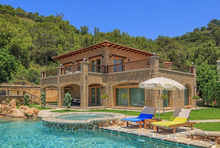
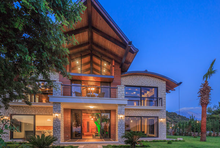
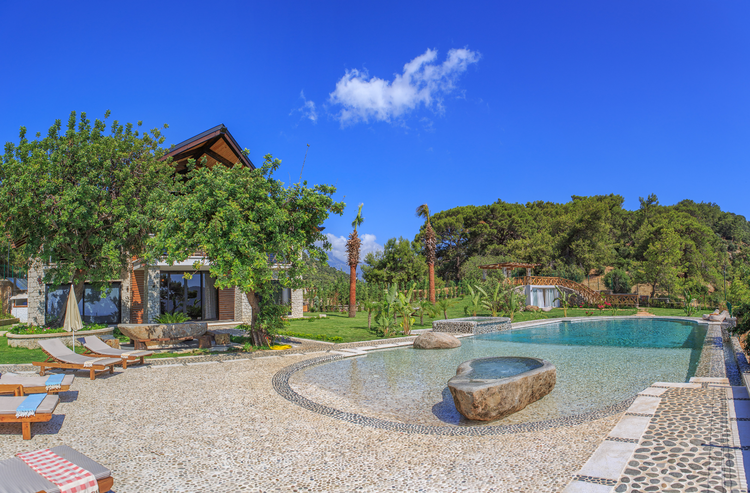
Виллы, представленные в разделе Villas, расположены на значительном расстоянии друг от друга. Каждая резиденция занимает своё собственное пространство, определяемое рельефом, растительностью и ориентацией.
Этот подход исключает пересечение линий видимости. Открытые пространства остаются визуально независимыми. Звук не распространяется между жилыми зонами таким образом, чтобы нарушать атмосферу.
В отличие от традиционных проектов вилл, где близость лишь уменьшается, в Gökçe Gemile устраняются сами условия для пересечения. Приватность не защищается барьерами - она сохраняется за счёт отсутствия взаимодействия.
Ограничения архитектурных решений
Архитектура сама по себе не может создать полноценную приватность, если окружающие условия её не поддерживают. Стены могут закрыть вид, но не устраняют звук. Ландшафт может создать визуальный барьер, но не устраняет близость. Технологии могут контролировать доступ, но не устраняют присутствие других.
Это ограничение часто игнорируется в проектах, где приватность добавляется на позднем этапе. В результате возникает пространство, которое выглядит приватным, но остаётся разделённым.
В Gökçe Gemile архитектура не компенсирует недостаток изоляции. Она усиливает уже существующее состояние. Здания расположены в соответствии с логикой ландшафта, а не вопреки ей. Это обеспечивает стабильность приватности на всей территории.
Контроль доступа без видимых систем
Ещё одним аспектом приватности является контроль доступа. Во многих проектах он реализуется через видимые элементы - ворота, охрану, инфраструктуру безопасности. Хотя они выполняют свою функцию, они создают ощущение управляемого пространства.
В Gökçe Gemile доступ ограничен географией. Полуостров сокращает количество точек входа. Отсутствие общественных маршрутов исключает случайное проникновение. Передвижение внутри estate остаётся контролируемым без необходимости постоянного вмешательства.
Это создаёт особое ощущение: приватность не навязывается, она существует естественно.
Тишина как показатель настоящей приватности
Одним из самых очевидных показателей настоящей приватности является тишина. Это не абстрактное понятие, а результат пространственных условий.
Когда приватность добавляется позже, тишина становится нестабильной. Внешние звуки, соседняя активность и общие пространства создают помехи. Даже в визуально закрытых пространствах звук выдает присутствие других.
В Gökçe Gemile тишина постоянна. Расстояние между зданиями, отсутствие общих зон и природная изоляция создают среду, в которой звук не накапливается. Это усиливает ощущение автономии в каждом жилом пространстве.
Эта взаимосвязь также отражена на странице Privacy & Seclusion, где изоляция рассматривается как основная характеристика.
Почему приватность нельзя создать постфактум
Попытка добавить приватность после завершения проекта почти всегда приводит к компромиссам. Существующая структура, планировка и окружающая плотность ограничивают возможности. Изменения могут улучшить условия, но не могут изменить основу.
Поэтому настоящая приватность должна закладываться с самого начала. Локация, планировка и архитектурное намерение должны работать в одном направлении.
Gökçe Gemile демонстрирует это единство. Полуостров обеспечивает изоляцию. Пространственное планирование сохраняет дистанцию. Архитектура поддерживает автономию. Вместе эти элементы создают состояние, которое невозможно воспроизвести позже.
Часто задаваемые вопросы
Можно ли создать приватность только за счёт дизайна?
Дизайн может усилить приватность, но не может полностью её создать без поддержки географии и пространственного планирования.
Почему местоположение так важно?
Потому что география определяет базовые условия. Природные границы создают уровень изоляции, который невозможно воспроизвести архитектурой.
Используются ли системы безопасности для обеспечения приватности?
Приватность обеспечивается в первую очередь географией и планировкой, а не видимыми системами контроля.
Чем приватность здесь отличается?
Она не добавлена позже. Она заложена в основе и определяет всю структуру estate.
Заключение
Настоящую приватность нельзя добавить позже, потому что это не функция, а состояние. После того как создаются плотность, близость и общие пространства, приватность ограничивается поверхностными решениями.
Gökçe Gemile Private Bay предлагает иной подход. Здесь приватность является основой. География, архитектура и пространственное планирование работают вместе, создавая устойчивое состояние без необходимости постоянного контроля.
В этом контексте приватность - это не то, что предлагается. Это то, что уже существует.