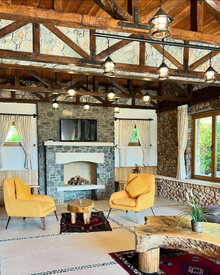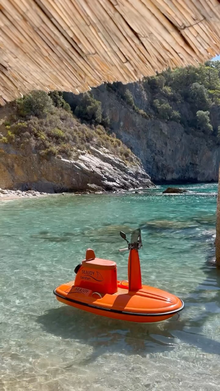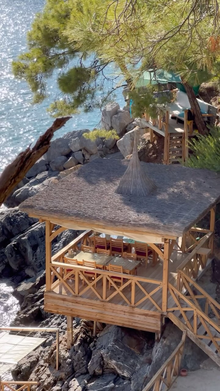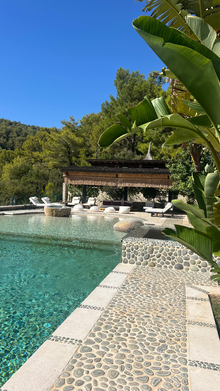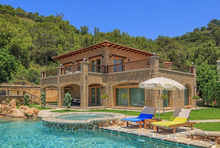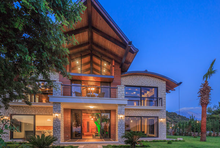
Gökçe Gemile Private Bay’de mahremiyet maruziyete karşı inşa edilmez. Peyzajın kendisiyle oluşur.
Doğal sınırlar kavramı, tasarımın rolünü koruma eklemekten var olanı tanımaya kaydırır. Arazi, bitki örtüsü, su ve mekânsal süreklilik ayrımı belirleyen temel unsurlar haline gelir. Mimari, mahremiyeti araziye eklemez. Onunla uyum içinde çalışır.
Peyzajın gerçek mahremiyeti nasıl oluşturduğunu anlamak için yapılar yerine doğal unsurların mekânı, hareketi ve algıyı nasıl şekillendirdiğine bakmak gerekir.
Peyzaj Arka Plan Değil, Yapıdır
Birçok projede peyzaj görsel bir katman olarak ele alınır. Mimariyi tamamlamak, sınırları yumuşatmak veya estetik değer katmak için tasarlanır. Bu yaklaşım atmosfer oluşturabilir ancak gerçek mahremiyet sağlamaz.
Gökçe Gemile’de peyzaj dekoratif değildir. Yapısaldır. Yarımadanın topoğrafyası, bitki yoğunluğu ve Akdeniz’in çevreleyici etkisi mekânın nasıl bölündüğünü belirler. Görüşün nerede başlayıp nerede bittiğini arazi tanımlar.
Bu yaklaşım Yarımada sayfasında açıklanır. Estate peyzajın üzerine yerleştirilmez. Peyzaj tarafından şekillendirilir.
Yarımada Doğal Bir Sınır Sistemi Olarak
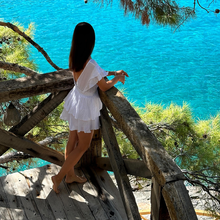
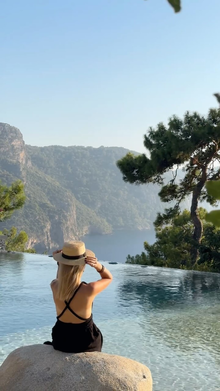
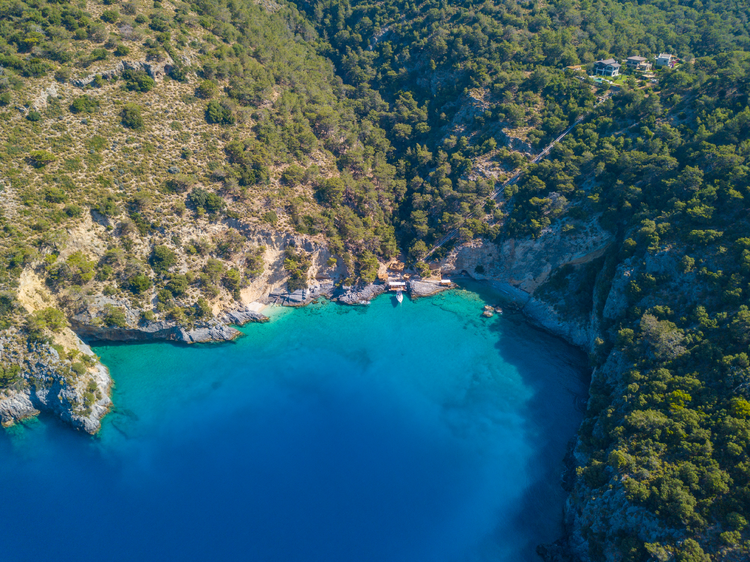
Gökçe Gemile’deki en belirleyici doğal sınır yarımadanın kendisidir. Birden fazla taraftan denizle çevrili olması, estate’i dış çevreden doğal olarak ayırır.
Yapay sınırların aksine bu yapı sürekli müdahale gerektirmez. Araziyi kesen kamusal yollar yoktur, ortak sahil kullanımı bulunmaz ve mülk içinde rastlantısal dolaşım gerçekleşmez.
Bu durum mahremiyetin korunmasını gereksiz kılar. Çünkü mahremiyet zaten konumun doğal sonucudur. Deniz burada görsel bir unsurdan çok mekânsal bir sınırdır.
Beach & Waterfront sayfasında açıklanan özel koy bu ayrımı daha da güçlendirir. Kıyı paylaşılan bir alan değildir. Kontrol altındadır.
Topoğrafya ve Yükseklik
Yükseklik farkları mahremiyetin oluşmasında kritik rol oynar. Küçük arazi değişimleri bile görüş hatlarını değiştirir, görünürlüğü sınırlar ve mekânlar arasındaki etkileşimi azaltır.
Gökçe Gemile’de arazinin doğal formu korunur ve planlama aracı olarak kullanılır. Yapılar yükseklik farklarına göre konumlandırılır ve görüşlerin kesişmemesi sağlanır. Böylece yapay engellere ihtiyaç kalmaz.
Arazi düzleştirilmez. Mevcut haliyle kabul edilir. Bu da peyzajın mahremiyet oluşturma gücünü artırır.
İşlevsel Bir Unsur Olarak Bitki Örtüsü
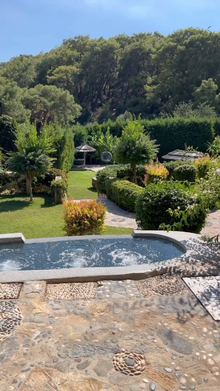
Bitki örtüsü çoğu zaman estetik bir unsur olarak görülür. Gökçe Gemile’de ise işlevseldir. Ağaçlar ve doğal bitki yoğunluğu görüşü sınırlar ve sesi emer.
Simetrik veya görsel etki odaklı peyzaj düzenlemelerinin aksine, burada bitki örtüsü doğal yapısını korur. Bu da daha organik ve etkili sınırlar oluşturur.
Bu doğal tamponlar mekânı kapatmaz. Açıklığı korurken maruziyeti azaltır. Böylece alan geniş hissedilirken aynı zamanda ayrışmış kalır.
Bu ilişki Mahremiyet & İzolasyon sayfasında detaylandırılır.
Suyun Bir Sınır Olarak Rolü
Su çoğu zaman görsel bir avantaj olarak değerlendirilir. Ancak Gökçe Gemile’de bir sınır görevi görür. Akdeniz, estate’in fiziksel sınırlarını belirler ve dış erişimi engeller.
Bu durum özellikle özel koyda belirgindir. Kamusal plajların aksine burası paylaşılan bir kıyı değildir. Tamamen estate’e aittir. Kara veya denizden dış erişim mümkün değildir.
Böylece kıyı bir maruziyet noktası olmaktan çıkar, kontrol edilen bir alan haline gelir. Su, mahremiyetin bir parçası olur.
Peyzajın Yönlendirdiği Hareket
Peyzaj yalnızca sınır oluşturmaz, hareketi de belirler. Birçok projede yollar araziye sonradan eklenir ve farklı alanları birbirine bağlar. Bu durum etkileşimi artırır.
Gökçe Gemile’de hareket araziye uyumlu şekilde kurgulanır. Yollar topoğrafyayı takip eder ve kesişim noktaları minimumda tutulur. Merkezi dolaşım hatları yoktur.
Bu sayede hareket doğası gereği özeldir. Peyzaj, çakışmayı yönetmez, oluşmasını engeller.
Peyzaj ile Uyumlu Mimari
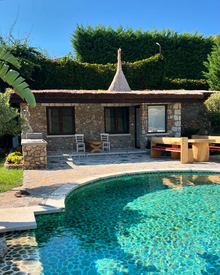
Gökçe Gemile’de mimari doğal sınırları aşmaya çalışmaz. Onları güçlendirir. Yapılar araziye göre konumlandırılır, yönlendirilir ve ölçeklendirilir.
Villalar bölümünde yer alan yapılar bu uyumu gösterir. Villa Gökçe, Villa Elmalı ve Villa Gemile çevreleriyle bütünleşir.
Mimari yoğunluk yaratmaz. Görünürlüğü artırmaz. Peyzajın oluşturduğu koşulları korur.
Yapay Sınırların Yokluğu
Peyzaj temelli mahremiyetin en açık göstergelerinden biri yapay sınırların olmamasıdır. Yüksek duvarlar, çitler veya görüşü kesen yapılar yoktur.
Bu eksiklik mahremiyeti azaltmaz. Aksine zaten var olduğunu gösterir. Doğal sınırlar, yapay olanların yerini alır.
Bu yaklaşım Concept sayfasında açıklanan temel felsefe ile örtüşür.
Sık Sorulan Sorular
Peyzaj tek başına mahremiyet yaratabilir mi?
Peyzaj temel oluşturur ancak mimari ve planlama ile desteklenmelidir.
Doğal sınırlar neden daha etkilidir?
Çünkü sürekli çalışırlar ve müdahale gerektirmezler.
Estate içinde yapay sınırlar var mı?
Hayır. Mahremiyet coğrafya ve peyzaj ile sağlanır.
Özel koy mahremiyete nasıl katkı sağlar?
Kıyı hattını kamusal erişimden çıkararak estate’in bir parçası haline getirir.
Sonuç
Doğal sınırlar mahremiyet anlayışını yeniden tanımlar. Mahremiyet, dış etkenlere karşı inşa edilmez. Peyzajın kendisinden doğar. Arazi, bitki örtüsü ve su mimarinin tek başına sağlayamayacağı ayrımı oluşturur.
Gökçe Gemile Private Bay’de bu yaklaşım, müdahaleye ihtiyaç duymayan sürekli bir mahremiyet yaratır. Sınırları arazi belirler, mimari bunu korur. Mahremiyet eklenen bir unsur değil, var olan bir durumdur.