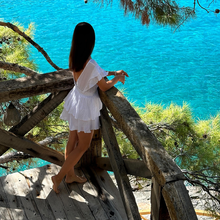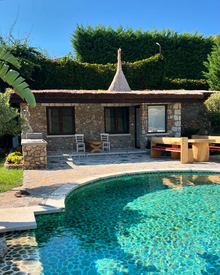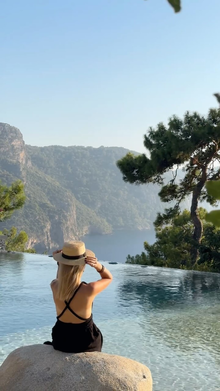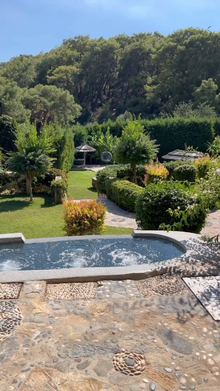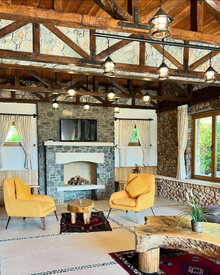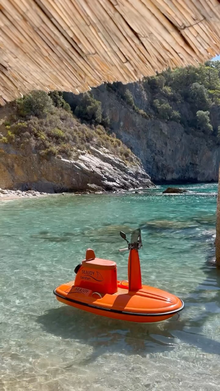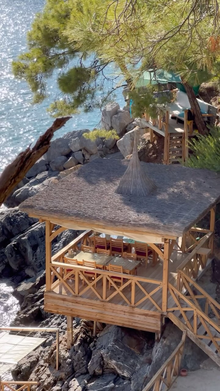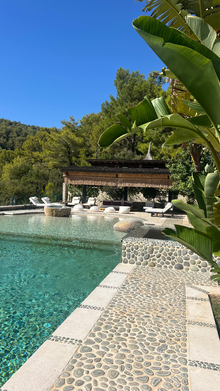
There is, however, another architectural philosophy. Instead of competing with the landscape, architecture can become part of it. Rather than drawing attention to itself, it allows geography to remain the defining presence.
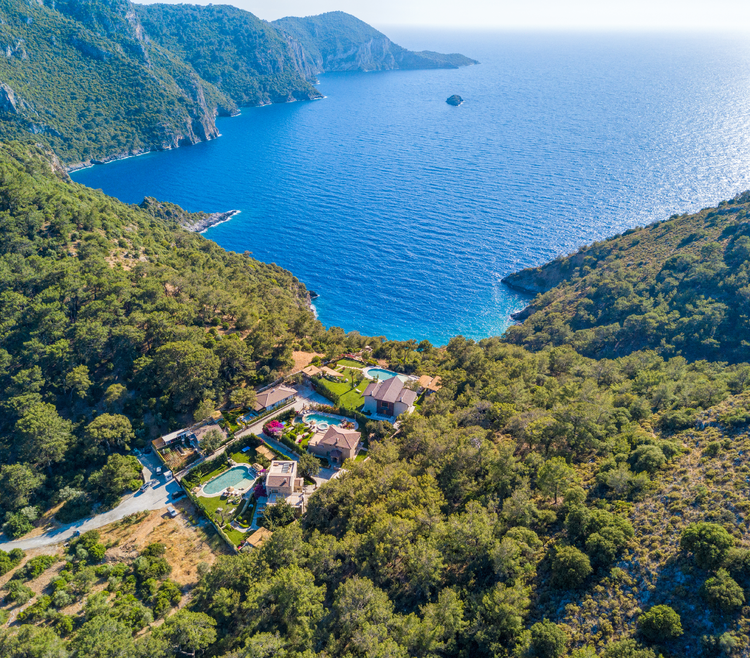
At Gökçe Gemile Private Bay, this principle shapes the entire estate. Located on a secluded peninsula along the Mediterranean coast of Turkey, the architecture is not designed to dominate the land. It is designed to disappear into it.
This approach is fundamental to the identity of Gökçe Gemile as an ultra luxury villa estate, where geography remains the primary architectural element and buildings exist in dialogue with their surroundings rather than in contrast to them.
Architecture as Part of the Environment
Many luxury developments begin with architecture. The landscape is then modified to accommodate the buildings.
At Gökçe Gemile, the sequence is reversed.
The peninsula already defines the spatial character of the estate. Topography, vegetation, natural rock formations and the surrounding Mediterranean establish the structure of the environment before architecture begins.
Rather than imposing a new order, architecture follows the existing one.
This philosophy reflects the relationship described on the Peninsula page, where geography is treated not as scenery but as the foundation of the estate.
Building Around the Land, Not Over It
One of the defining characteristics of landscape-integrated architecture is restraint. Instead of reshaping the site to fit predetermined plans, the design responds to existing conditions.
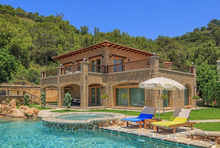
At Gökçe Gemile, the villas are positioned according to natural contours, elevation changes and existing vegetation. The land determines where buildings belong.
This creates an environment where construction appears to emerge naturally from the peninsula rather than replacing it.
The objective is not to maximize visibility but to preserve continuity between architecture and landscape.
Visual Quietness
Architecture that disappears into the landscape creates a different kind of visual experience. Instead of dominating the horizon, buildings become secondary to the environment.
This visual quietness contributes directly to the overall atmosphere of the estate. Attention shifts from architectural spectacle to natural space, changing the way residents perceive their surroundings.
Rather than constantly reminding people of construction, the environment emphasizes the continuity of land, vegetation and sea.
In this sense, architecture supports the landscape rather than competing with it.
Preserving Natural Sightlines
One of the consequences of architecture that dominates the landscape is interrupted sightlines. Large structures can fragment views, create visual barriers and reduce the perception of openness.
At Gökçe Gemile, preserving natural sightlines is an essential part of the design process.
The villas within the Villas collection-including Villa Gökçe, Villa Elmalı and Villa Gemile-are positioned so that both architecture and surrounding landscape remain visually uninterrupted.
The result is not simply a better view, but a stronger relationship between people and place.
Architecture That Supports Privacy
When buildings integrate with the landscape, they also strengthen privacy.
Instead of relying on walls or artificial screening, architecture uses terrain, vegetation and orientation to create natural separation between living spaces.
This approach complements the principles explored in How Architecture Can Protect Privacy, where privacy emerges from spatial planning rather than physical barriers.
The landscape itself becomes part of the architectural strategy.
Materiality and Natural Context
Architecture disappears into the landscape not only through positioning but also through materiality.
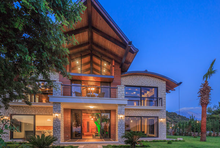
Natural stone, timber and restrained architectural forms establish continuity with the surrounding environment. Materials are selected to complement the peninsula rather than contrast with it.
This does not mean architecture becomes invisible. Instead, it becomes visually balanced.
The buildings remain identifiable while allowing the landscape to retain its primary role.
Landscape as the Dominant Experience
When architecture does not seek attention, the landscape becomes more present.
The changing light, seasonal vegetation, coastal textures and natural topography define the daily experience more than the buildings themselves.
This creates an environment where the rhythm of nature remains visible throughout the year.
Rather than existing inside architecture, residents experience living within the landscape.
Long-Term Architectural Relevance
Buildings designed around visual impact often reflect the design trends of a particular period. Over time, these trends can become dated.
Architecture that follows geography tends to remain relevant because its reference point is permanent. The landscape changes gradually, but its fundamental structure remains constant.
By responding to geography instead of architectural fashion, the estate establishes a more enduring relationship between construction and environment.
FAQ: Architecture and Landscape Integration
What does it mean for architecture to disappear into the landscape?
It means buildings are designed to work with natural geography rather than visually dominate it.
Does this reduce architectural quality?
No. It changes the role of architecture from being the primary attraction to becoming a supporting element within the landscape.
Why is this important for privacy?
Because landscape-integrated architecture allows terrain and vegetation to contribute naturally to separation between living spaces.
How does Gökçe Gemile apply this philosophy?
The estate positions every villa according to the peninsula's existing topography, preserving natural views, distance and environmental continuity.
Conclusion
Architecture does not always need to become the most visible element of a place. Sometimes its greatest achievement is knowing when to step back.
At Gökçe Gemile Private Bay, architecture supports rather than replaces the landscape. The peninsula remains the defining presence, while buildings become carefully positioned elements within a much larger natural composition.
This relationship between architecture and geography creates an estate where silence, privacy and landscape remain uninterrupted. The buildings do not compete with nature. They belong to it.